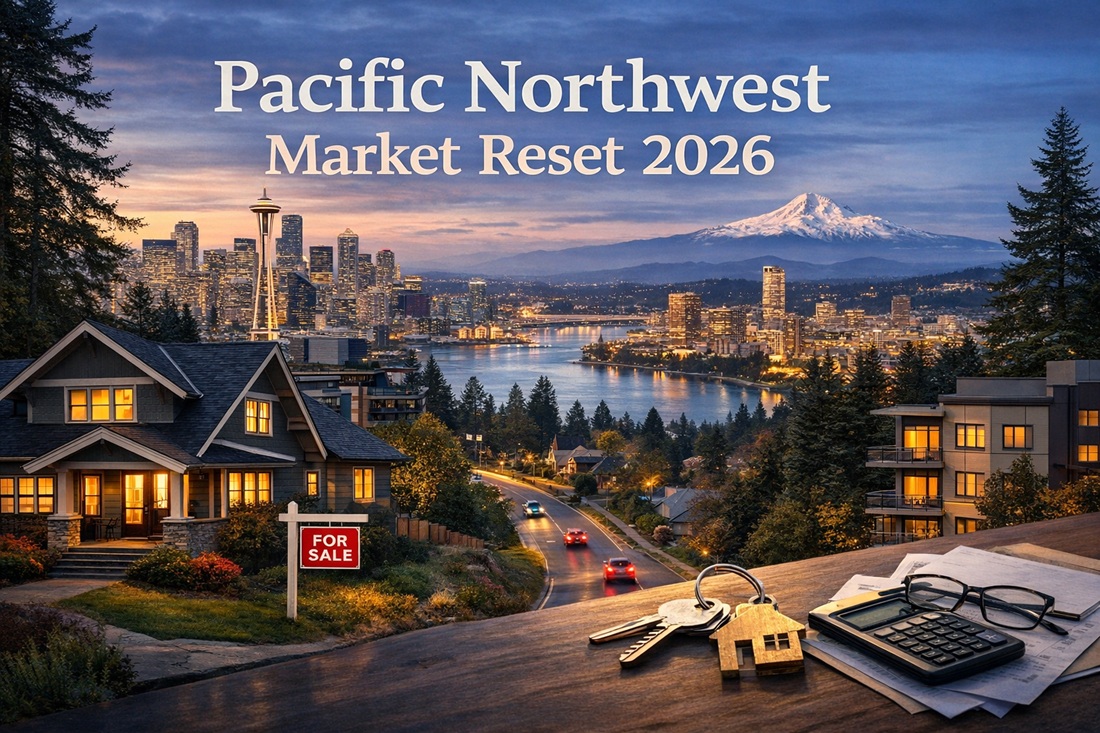
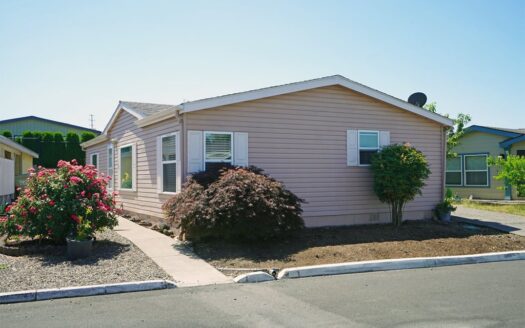
Pacific Northwest Market Reset 2026
The Pacific Northwest housing market is entering a new phase. After several years of rapid appreciation and limited inventory, 2026 is shaping up to be a reset year across Washington and Oregon. Mortgage rates have eased to around 6 percent for a 30 year fixed loan, offering relief compared to recent highs. At the same time, inventory is rising and price growth has flattened in many areas.
This Pacific Northwest Market Reset 2026 is not a crash. It is a shift toward balance. Buyers have more options. Sellers must be strategic. Investors need disciplined underwriting. Whether you are planning to sell in Seattle, buy in Portland, or invest in Vancouver or Bend, understanding this reset is key to making confident moves.
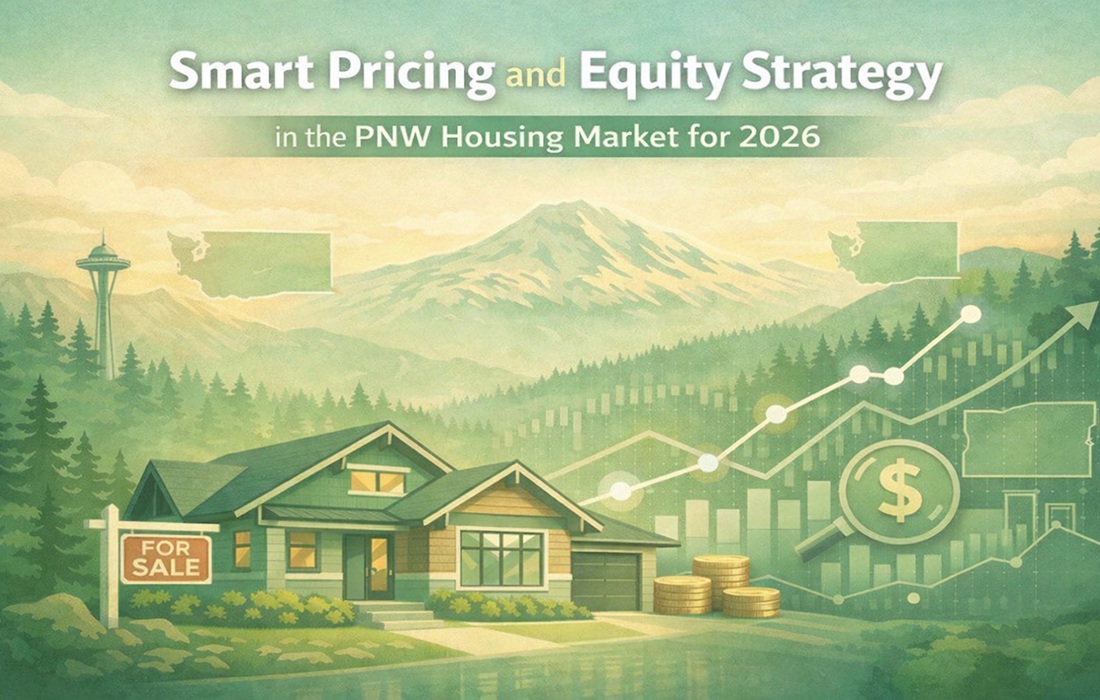
Sellers: Smart Pricing in a 6 Percent Rate Environment
Across Washington, active listings have increased significantly year over year, giving buyers more leverage. Median prices have softened in some markets, including the Seattle metro, where inventory growth has pushed homes to sit longer on the market. In Oregon, statewide sales activity has improved compared to last year, but price growth has largely flattened.
In practical terms, sellers can no longer rely on aggressive pricing and multiple offers within days. Overpricing is quickly exposed in today’s environment because buyers have alternatives.
If you are selling a home in Washington or Oregon this spring, your strategy should focus on three pillars. First, price based on current comparable sales rather than peak market headlines. Second, invest in presentation through staging, lighting, and professional photography. Third, emphasize move in readiness because rate sensitive buyers prefer homes that do not require immediate upgrades.
Homes that are clean, updated, and positioned correctly are still selling. The difference is that success now depends on preparation and data driven pricing rather than momentum alone.
Seattle and Portland: A Closer Look
In Seattle, inventory has climbed sharply compared to last year. Median listing prices have dipped slightly, and days on market have stretched compared to the frenzy years. Buyers are negotiating more often and requesting concessions.
Portland is experiencing a similar recalibration. Listing prices in many neighborhoods are down modestly year over year, and price reductions are more common. However, well located homes in close in neighborhoods and transit friendly suburbs continue to attract attention.
Micro markets matter more than ever. A Craftsman in Ballard behaves differently than a condo downtown. A bungalow in Hawthorne performs differently than a property in an outer suburb. Sellers who understand neighborhood specific demand will outperform those who treat the metro as one uniform market.
Turning Lifestyle into Leverage
The Pacific Northwest lifestyle remains a powerful selling point. Even as prices ease slightly in areas like Bend, demand persists for homes near trails, rivers, ski access, and vibrant downtown districts.
Buyers are not just purchasing square footage. They are buying proximity to farmers markets, bike paths, tech corridors, and healthcare hubs. Listings that highlight fiber internet, commute options, park access, and flexible work spaces tend to outperform generic property descriptions.
Thoughtful staging that reflects Northwest living can make a measurable difference. Mudrooms, gear storage, cozy lighting, and functional outdoor spaces help buyers envision their daily life in the home. In a balanced market, emotional connection often determines which property receives the offer.
Investors: Cash Flow Over Speculation
For investors, the Pacific Northwest Market Reset 2026 emphasizes spread and stability. Mortgage rates near 6 percent improve financing conditions compared to prior highs. At the same time, rent growth has cooled in both Seattle and Portland, creating a more balanced rental environment.
Vacancy rates in some submarkets have risen modestly, and rent growth is flatter than in previous years. This means appreciation only strategies carry more risk. Investors should prioritize cash flow, conservative rent projections, and realistic maintenance reserves.
Washington’s evolving rent cap regulations add another layer of consideration. Long term planning must account for potential limits on annual rent increases, particularly in urban markets.
If you are analyzing a duplex in Vancouver or a small multifamily in inner east Portland, stress test your numbers at slightly higher interest rates and slightly softer rent assumptions. Look for properties that allow operational improvements without major permitting, such as layout optimization, storage upgrades, or energy efficiency improvements.
House Hacking and Small Multifamily Opportunities
Smaller properties are attracting renewed interest. In many submarkets, median listing prices now align with the cost of well located duplexes or triplexes. For live in owners, this creates opportunities to offset mortgage payments with rental income while building equity.
Owner occupied loan programs often offer more favorable terms than pure investment financing. Living in one unit while renting the others can improve cash flow and reduce risk, especially in a market that rewards long term discipline over short term speculation.
Negotiation power has improved compared to peak years. Buyers are finding more room to request credits, inspection repairs, or price adjustments. The key is grounding every offer in current market data rather than assumptions from prior cycles.
What the Reset Really Means
The Pacific Northwest Market Reset 2026 signals a transition from frenzy to strategy. Sellers must be intentional about pricing and presentation. Buyers benefit from greater choice and negotiating leverage. Investors succeed by focusing on durable cash flow and disciplined underwriting.
Washington and Oregon real estate remain fundamentally strong due to job growth, lifestyle appeal, and long term population trends. The difference in 2026 is that success depends on smart execution.
If you are considering selling, buying, or investing in the Pacific Northwest, this is a moment to plan carefully rather than react emotionally. In a balanced market, preparation, local expertise, and clear strategy are what set winning transactions apart.